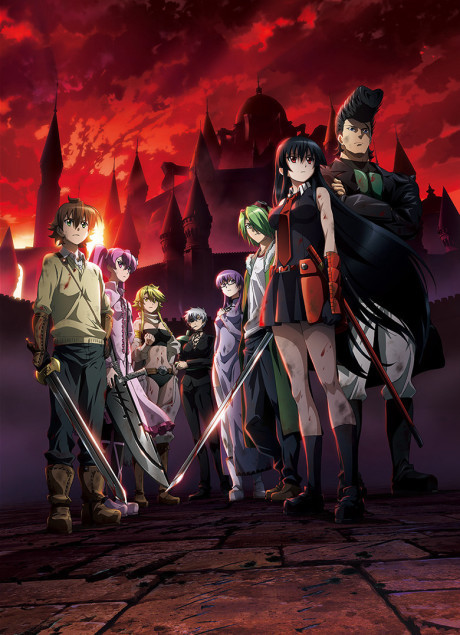
Social environment: The world is organized around a centralized Empire, with a decadent aristocracy and a government that maintains privileges while large portions of the population live in poverty in the provinces. Society is marked by inequality, institutional corruption, and clientelism; favors, bribes, and orders from the upper echelons determine opportunities and punishments.
Everyday spaces and institutions: The narrative shifts between the Capital — with its palace, courts, and noble districts — and popular and rural areas where misery and everyday violence shape routines. Institutions like the Imperial Army, the special forces created to hunt dissidents, and the administrative departments of the government have real power over the law. Rebel organizations operate illegally, using hidden bases and an airship as a mobile refuge.
Recurring elements and norms of coexistence
- Teigu (Imperial Weapons): rare and lethal artifacts forged from creatures known as Danger Beasts; they possess symbolic and strategic weight, defining status and balance of power.
- Military forces and special units: soldiers in uniform, pursuit squads, and units formed by the State (with authority to execute superior orders) shape the everyday presence of security and repression.
- Operational spaces: stealth attacks in mansions, ambushes on roads, confrontations in the streets of the Capital, and secret meetings in taverns and brothels are recurring locations that define how political struggle manifests in daily life.
- Communication and authority: official orders, decrees, and military channels (messengers, direct commands, and relays within the Army) are the formal means; rumors, informants, and clandestine networks govern communication outside the eyes of the government.
- Social behavior and cultural pressure: military honor, hierarchical obedience, and the fear of retaliation encourage conformity among officials and nobles; in the lower classes, survival strategies, distrust, and latent revolt prevail.
- Recurring objects and symbols: insignias, uniforms, the symbol of the Imperial Weapons, maps of attack routes, and the airship itself serve as icons representing power, identity, and the logistics of resistance.